











Kids headphones keep selling for a simple reason: they solve a small but real buying problem for distributors, retailers, and brand teams.
In wholesale, some products survive because they are exciting, but many survive because they are easy to place. Kids headphones belong to that second group. They are not a seasonal idea or a trend-driven add-on. They answer a simple retail problem: how to offer something safe-looking, easy to explain, and affordable enough to sit in more than one kind of store.
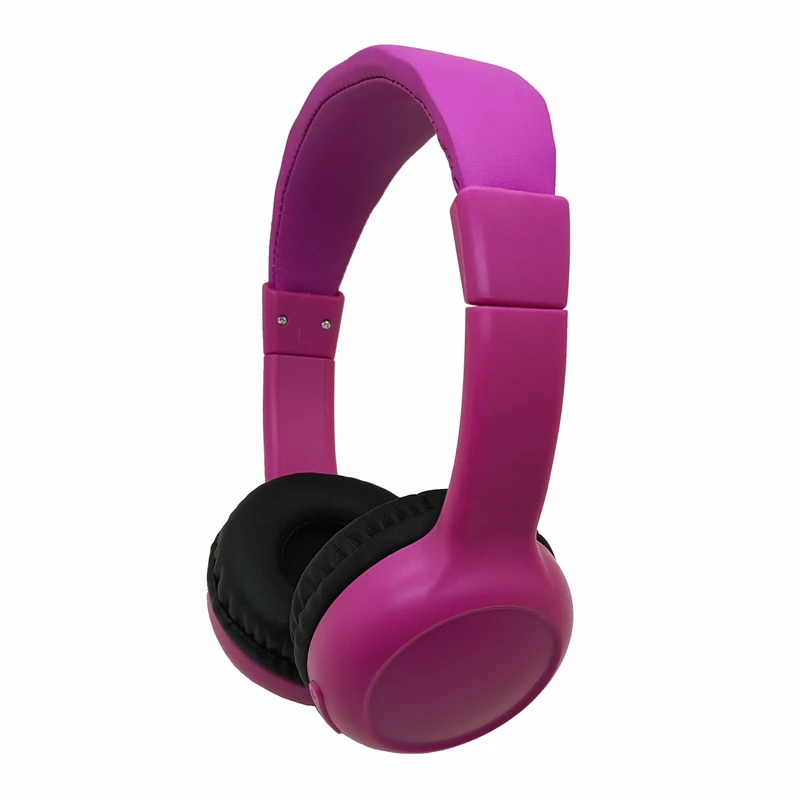
That is also why buyers often look beyond the product photo and ask practical questions first. Will it fit a school-age user comfortably? Is the control logic simple enough for parents and gift buyers? Does the design feel like a kid’s product, not a shrunken adult headset? These questions matter more than a long feature list, because the product has to earn its place on a shelf before it ever earns a reorder.
Where the buying decision really happens
For importers and distributors, the real value is not in chasing the loudest specs. It is in choosing models that match different selling channels. A lightweight wireless model can work well for gift and entry-level retail, while a higher-comfort option with a microphone may fit online listings, school-related promotions, or family use. A Bluetooth kids headset is rarely bought for one reason alone; it is bought because it sits comfortably between practicality and perceived value.
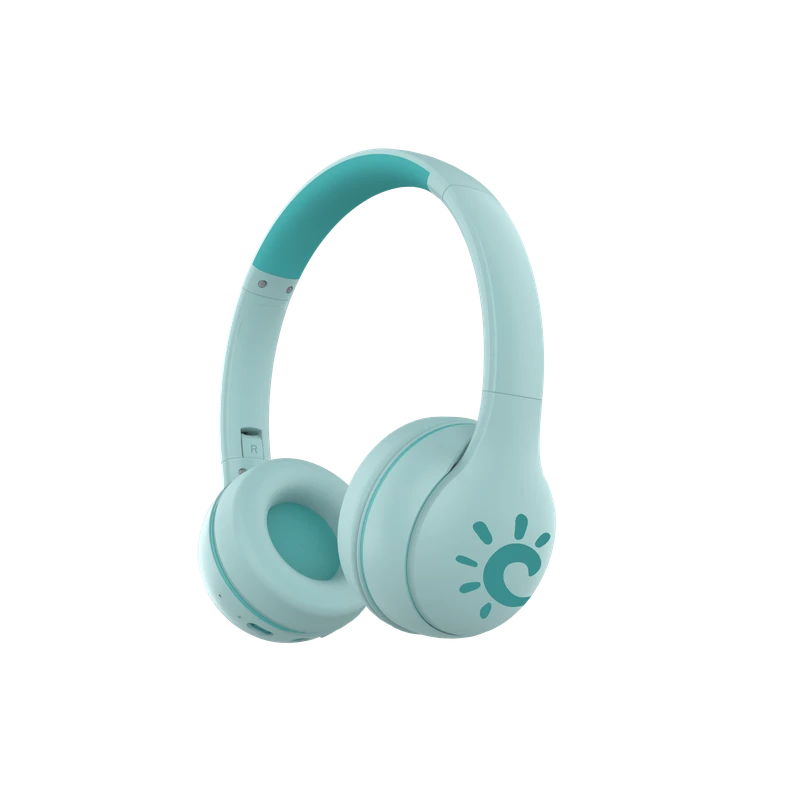
That is why a focused range matters. A Kids Bluetooth Headphones category gives buyers something easier to build around than a random one-off item. It helps when you want consistent positioning instead of chasing isolated sales. If you are looking at wireless styles, the wireless kids model is a straightforward example of a product designed for that kind of placement.
Why the category keeps recurring
Kids headphones keep coming back because the business logic never really disappears. Parents want simple use. Retailers want products that are easy to merchandise. Brand teams want something they can adapt to different markets without overcomplicating the story. Even when the design changes, the core buying reason stays the same: it is a familiar category with enough room for differentiation through comfort, wireless convenience, design language, and packaging.
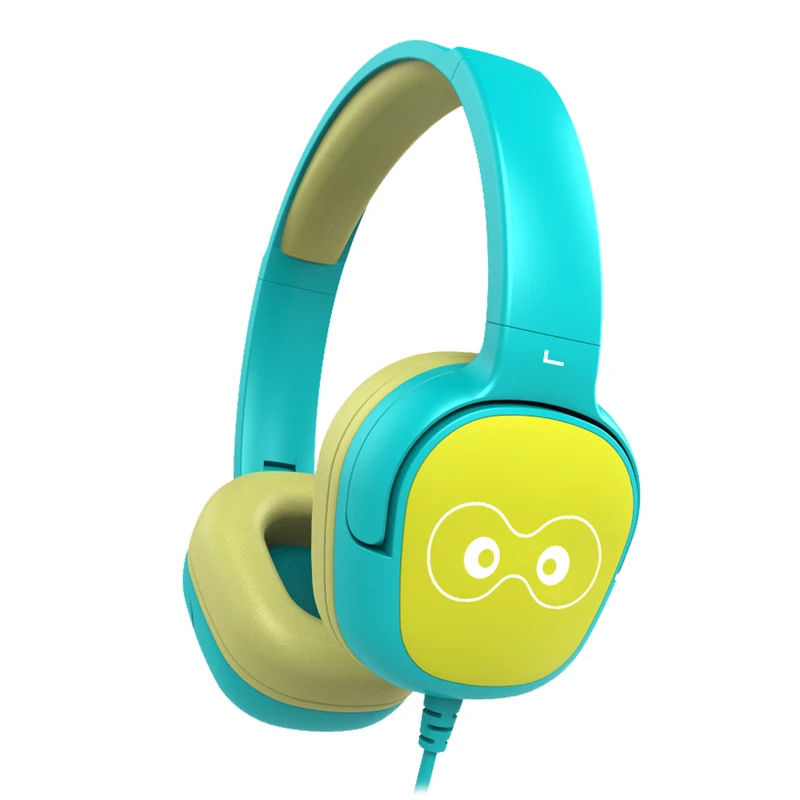
That flexibility matters for B2B buyers. Some channels will respond to a playful look. Others care more about comfort, microphone use, or the balance between wireless freedom and stable daily use. Models such as the Aurora headset or the on-ear headset show how one category can serve different buying situations without forcing the same message everywhere.
For buyers who work with kids audio products, the main question is rarely whether the market exists. It is whether the product fits the channel, the margin, and the story you want to tell. That is the part worth discussing early, before the order is placed. If you are building a kids headphone line or reviewing your next assortment, we are open to practical inquiries and product discussions.